The PHANTOM 2 VISION+ by DJI Innovations is a sophisticated consumer drone designed to offer an exceptional aerial experience. Its primary function is to provid
Unveiling the PHANTOM 2 VISION+ by DJI Innovations: FCC ID SS3-PV3311402 – A Comprehensive Teardown and Specs Analysis
Introduction
The PHANTOM 2 VISION+ by DJI Innovations is a sophisticated consumer drone designed to offer an exceptional aerial experience. Its primary function is to provide users with high-quality aerial photography and videography capabilities, making it a favorite among enthusiasts and professionals alike. With its FCC certification under the ID SS3-PV3311402, the drone complies with US standards for electromagnetic interference, ensuring it is legal for sale and use within the country. This blog post will delve into the key specifications, technological insights, internal components, and regulatory aspects of this remarkable device.
Key Features & Specifications
The PHANTOM 2 VISION+ is engineered to deliver outstanding performance and reliability. Here are its key features and technical specifications:
Performance with Genuine DJI Accessories: Ensures optimal functionality and longevity of the drone.
Built-in Autopilot System: Enhances flight stability and control, allowing for smoother operation.
Wi-Fi and Bluetooth Connectivity: Although specific details are not provided, the presence of these technologies indicates robust communication capabilities.
These features collectively contribute to the drone’s ability to capture stunning aerial footage while maintaining ease of use and reliability.
Technology Deep Dive
The PHANTOM 2 VISION+ employs primary wireless technologies such as Wi-Fi and Bluetooth, which are integral to its remote control and data transfer capabilities. The use of these technologies implies an efficient communication range and the potential for real-time video streaming. The operating frequencies typically associated with these technologies enhance performance by reducing interference and optimizing power consumption. This ensures that the drone can operate effectively in various environments, whether in open outdoor spaces or larger indoor areas.
In-Depth Internal Component Analysis
Main PCB with RF shielding and trace antennas.
The internal view of the PHANTOM 2 VISION+ reveals a compact RF module designed for wireless data transmission. The PCB is a simple design with two trace antennas connected via coaxial cables, likely operating in common frequency bands such as 2.4GHz. The presence of a metal shield indicates EMI/RFI protection, crucial for maintaining signal integrity.
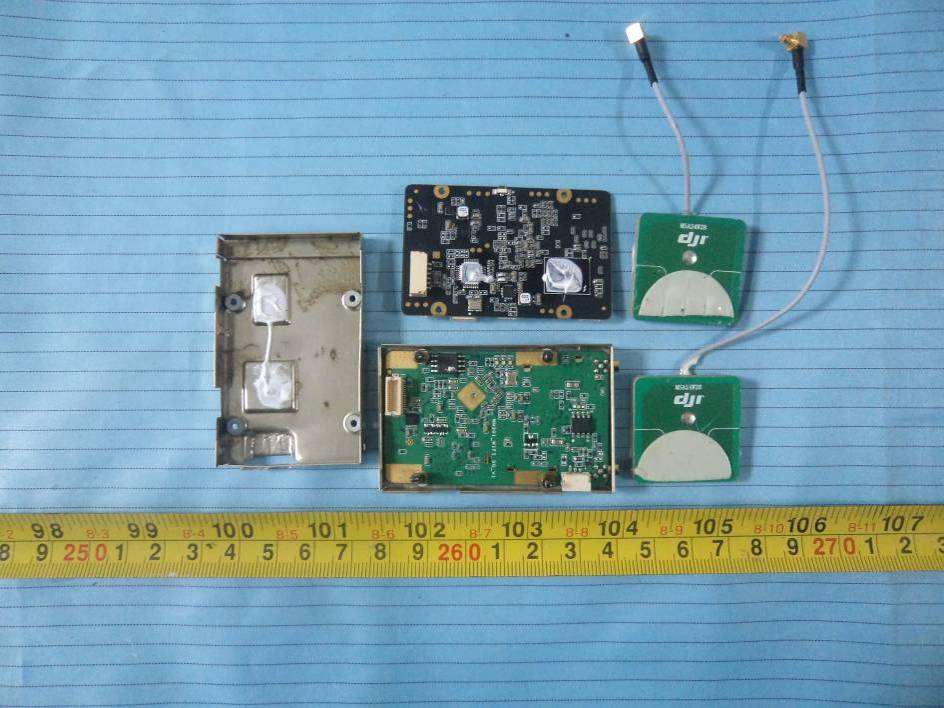
Dual-PCB setup with GPS patch antennas.
This image showcases a sophisticated dual-PCB setup, highlighting a focus on RF communication and GPS functionality. The black PCB is densely packed, indicating a multi-layer design essential for housing the main processing components, possibly including a SoC. The GPS patch antennas suggest a focus on navigation precision.
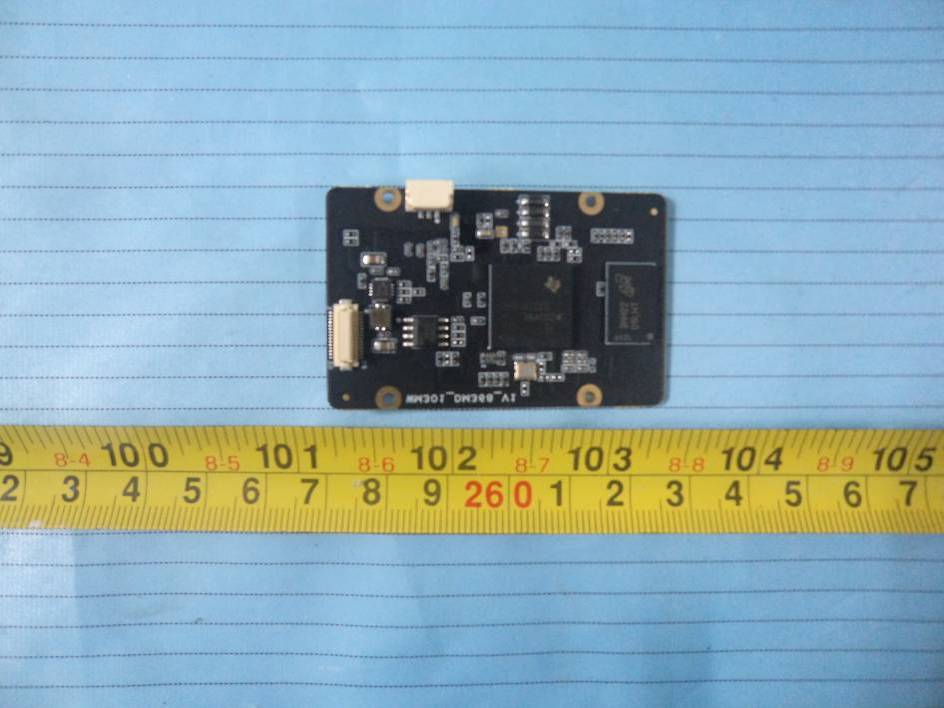
Compact PCB with central processing IC.
The PCB in this image is compact and densely populated, featuring a central IC likely responsible for processing tasks. The absence of visible antennas suggests external connectivity, while the presence of connectors supports modularity, enhancing the device’s integration capabilities.
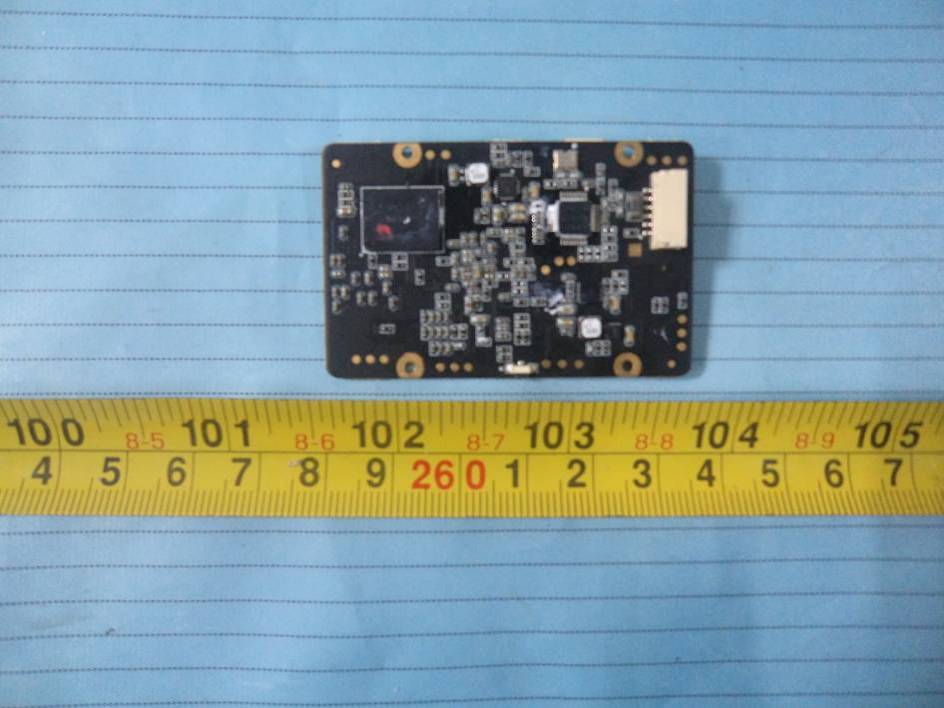
PCB with main processor and power management ICs.
This PCB features a large IC, likely a main processor, supported by smaller ICs for power management. The design indicates a focus on processing capabilities, suitable for handling complex tasks such as image processing or control functions.
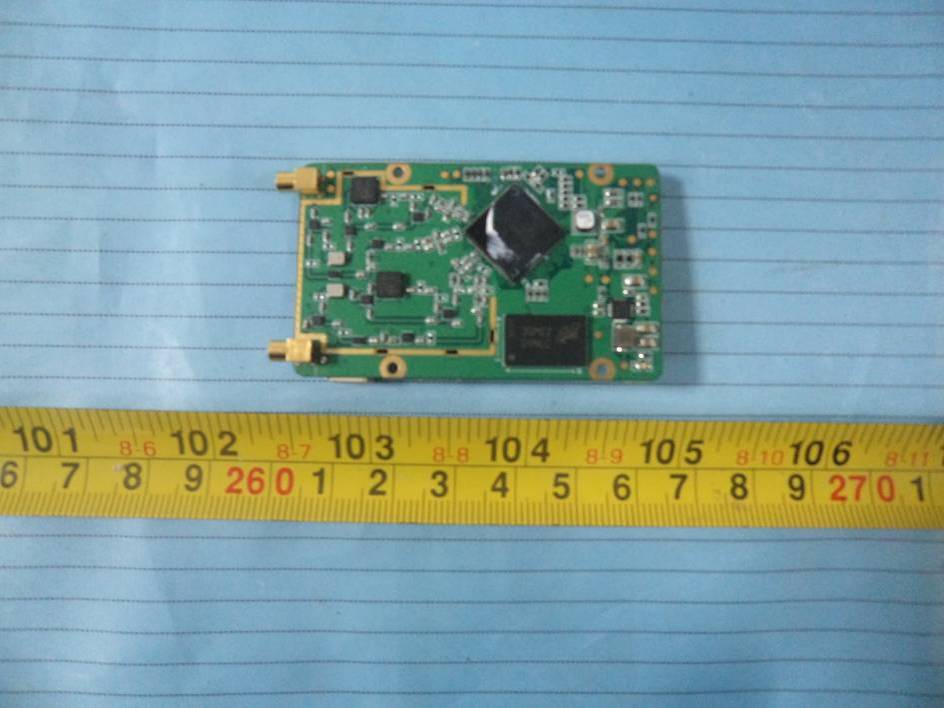
PCB with RF connectors and shielding.
The presence of U.FL connectors for RF signal transmission and a metal shield highlights the device’s emphasis on RF performance. The layout suggests a design optimized for communication tasks, possibly involving Wi-Fi or Bluetooth.
Circular PCB for GPS module with u-blox chip.
This image reveals a GPS module utilizing a u-blox chip, renowned for its reliable satellite communication capabilities. The compact design is indicative of a focus on integration within space-constrained applications like drones.
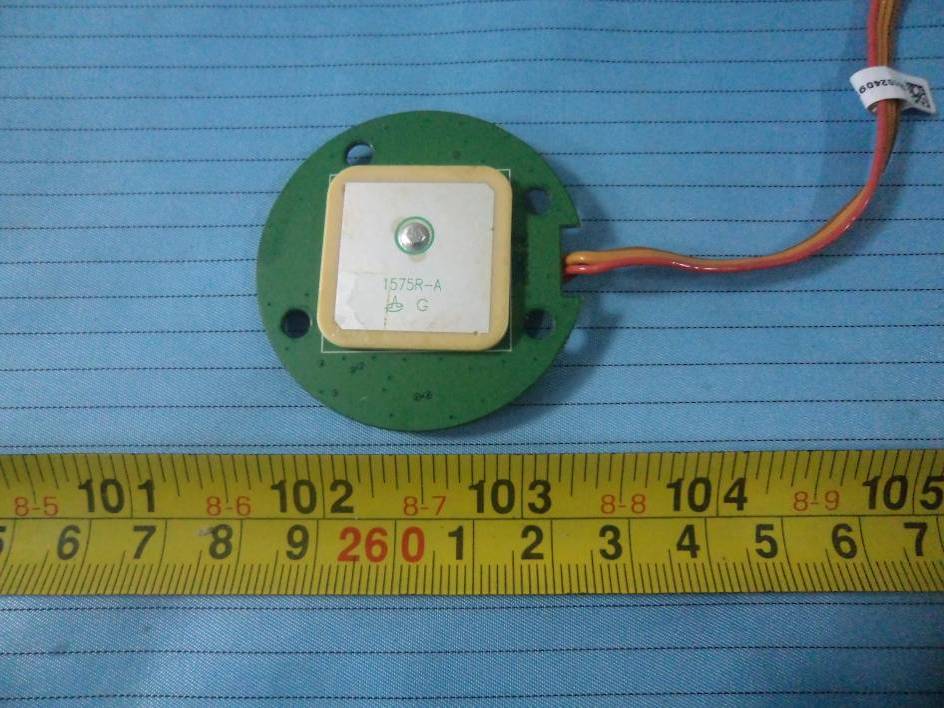
GPS patch antenna module for precise navigation.
The ceramic patch antenna, marked ‘1575R-A’, is designed for GPS frequencies, crucial for precise navigation. Its straightforward design underscores the importance of reliable signal reception in the drone’s operation.
Regulatory Insights & FCC Filing
The FCC ID SS3-PV3311402 signifies that the PHANTOM 2 VISION+ complies with stringent US standards for electromagnetic interference, making it legal for sale and use. Although the grant date is not specified, the registration by FCC.gov is a testament to the device’s adherence to regulatory requirements. FCC filings typically include test reports for RF exposure, EMC, internal and external photos, user manuals, schematics, and block diagrams, providing comprehensive insights into the device’s compliance and functionality.
Potential Use Cases & Target Audience
Designed for individuals over the age of 18, the PHANTOM 2 VISION+ is ideal for:
Aerial Photography Enthusiasts: Capturing breathtaking landscapes and cityscapes with ease.
Professional Videographers: Utilizing its stable flight platform for high-quality video production.
Tech-Savvy Hobbyists: Exploring the capabilities of a sophisticated drone in various environments.
The device’s excellent flight platform ensures a remarkable flight experience, whether in low-altitude outdoor settings or larger indoor spaces.
Conclusion
The PHANTOM 2 VISION+ by DJI Innovations stands out as a remarkable device in the consumer drone market. Its FCC certification under ID SS3-PV3311402 underscores its compliance with US standards, ensuring reliability and safety. With a blend of advanced features, robust wireless technologies, and a focus on performance, it caters to both enthusiasts and professionals seeking to elevate their aerial endeavors. As a testament to DJI’s innovation, the PHANTOM 2 VISION+ continues to set a high standard in the realm of consumer drones.
The **Phantom 3 SE** by **SZ DJI TECHNOLOGY CO., LTD.** is a high-performance camera drone designed for enthusiasts and professionals seeking robust aerial imag
The **DJI Phantom 4 Pro / Pro+** stands at the forefront of consumer and professional drone technology, offering an impressive blend of advanced imaging, robust
The **DJI Phantom 3 Advanced** represents a significant leap in consumer drone technology, blending aerial innovation with powerful imaging and intuitive contro
The DJI AGRAS T10 stands at the forefront of agricultural drone technology, designed to revolutionize aerial spraying operations for modern farms. As a robust a
The **DJI Phantom 3 Professional** (Model: W323B) is a benchmark in consumer and prosumer aerial imaging, seamlessly integrating advanced flight controls, robus
The DJI Thumb Controller (Model: RONIN TC, FCC ID: SS3-800TC1504) represents DJI's commitment to enhancing user experience and precise control for Ronin series
The DJI Air 2S, engineered by SZ DJI TECHNOLOGY CO., LTD. (Model: DA2SUE1), stands as a premier example of cutting-edge drone technology, merging high-performan
The DJI Osmo, model ZENMUSE X3, represents a significant advancement in handheld stabilization and camera technology, designed specifically for professional han
The DATALINK PRO by SZ DJI TECHNOLOGY stands as a robust wireless communication module engineered for demanding, high-reliability data transmission. As part of
The Mavic Air 2 by SZ DJI TECHNOLOGY CO., LTD. represents a significant leap in consumer drone technology, blending advanced imaging, intelligent automation, an
 Tech ID