 Tech ID
Unveiling the BTU Bluetooth Unit by DJI Innovations: FCC ID SS3-201306001 – Specs Analysis and More
Introduction
The BTU Bluetooth Unit by DJI Innovations is a compact and efficient wireless communication device designed to bridge the gap between autopilot systems and mobile devices. With its FCC certification (ID: SS3-201306001), this unit meets stringent RF emission standards, ensuring it is legally compliant and safe for use in the United States. This blog post will delve into the BTU Bluetooth Unit’s key specifications, the advanced technology it incorporates, and an in-depth analysis of its internal components. We will also explore its regulatory details and potential applications in various scenarios.
Key Features & Specifications
The BTU Bluetooth Unit is packed with features that make it a reliable choice for wireless communication. Here are the key specifications:
- Consumption: 240mW (0.04A @ 6V)
- Dimensions: 25.4mm × 25.4mm × 7.2mm
- Environment Temperature: -10℃ to +50℃
- Communication Distance: 50 meters
- Bluetooth Version: 4.0 or above
- Weight: 17g
Benefits and Practical Implications:
- Low Power Consumption: With a power draw of just 240mW, this device is energy-efficient, making it ideal for battery-powered applications.
- Compact Size: Its small dimensions allow it to be easily integrated into various systems without occupying much space.
- Wide Operating Temperature Range: Designed to function in diverse environmental conditions, it is suitable for both indoor and outdoor use.
- Extended Communication Range: Capable of maintaining a stable connection up to 50 meters, it ensures reliable data transmission over moderate distances.
- Bluetooth 4.0 Compatibility: This version offers improved data rates and energy efficiency, enhancing overall performance.
Technology Deep Dive
The BTU Bluetooth Unit employs Bluetooth 4.0 technology, a significant choice for wireless communication. Bluetooth 4.0, known for its low energy consumption, is suitable for devices that require long battery life without compromising performance. Operating in the 2.4GHz ISM band, this technology offers a good balance between range and data throughput, making it ideal for applications where moderate data rates are sufficient, and power efficiency is crucial.
The implications of using Bluetooth 4.0 include reduced interference with other devices sharing the 2.4GHz band, due to its frequency hopping capabilities. This results in stable connections, even in environments with multiple wireless devices. The low power consumption also translates to longer operational periods, which is essential for embedded systems and mobile applications.
In-Depth Internal Component Analysis
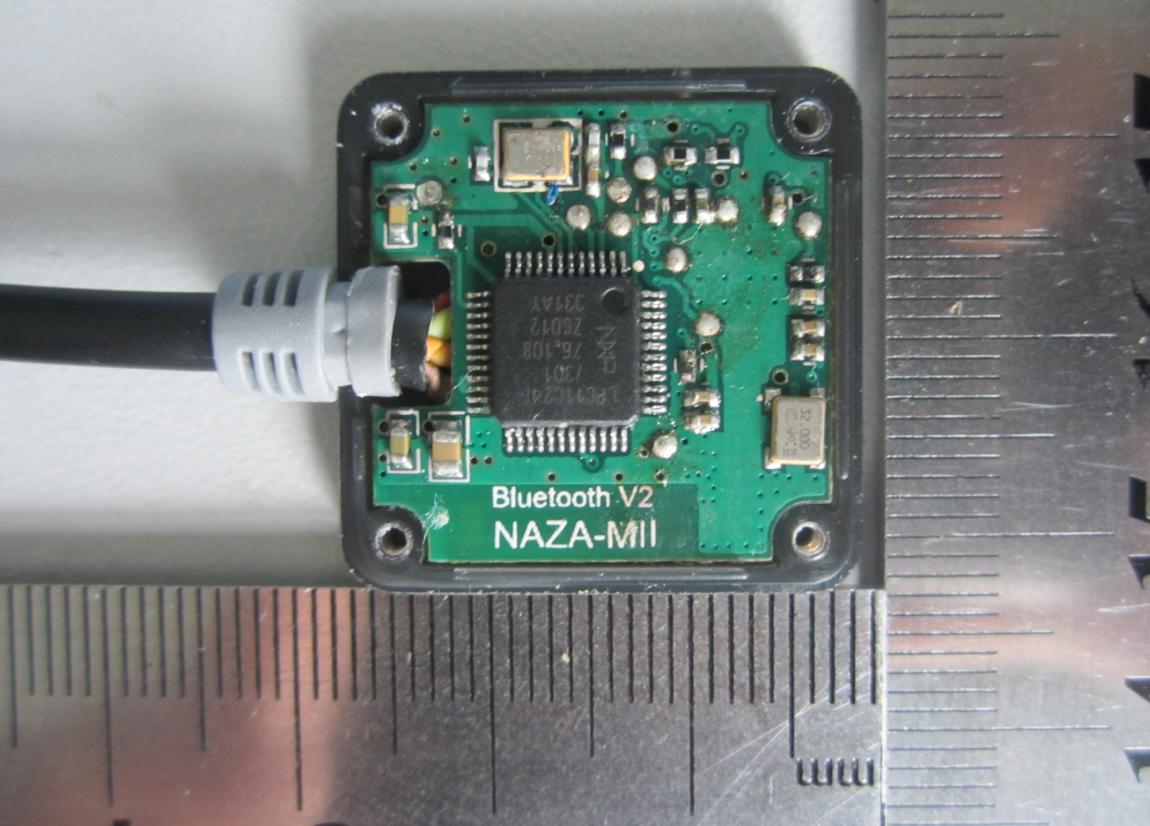
The primary image reveals a well-organized PCB featuring an Atmel ATmega microcontroller, likely responsible for the device’s main processing tasks. The TQFP package type is typical for such microcontrollers, ensuring efficient handling of control functions. The PCB’s green FR4 material and multi-layer design, with visible vias, suggest a focus on robustness and effective EMI control. The absence of a dedicated antenna hints at the use of a PCB trace antenna or an external connection, while a ferrite bead on the cable highlights EMI suppression efforts. The presence of a crystal oscillator indicates precise timing for the microcontroller, contributing to the overall reliability of the device.
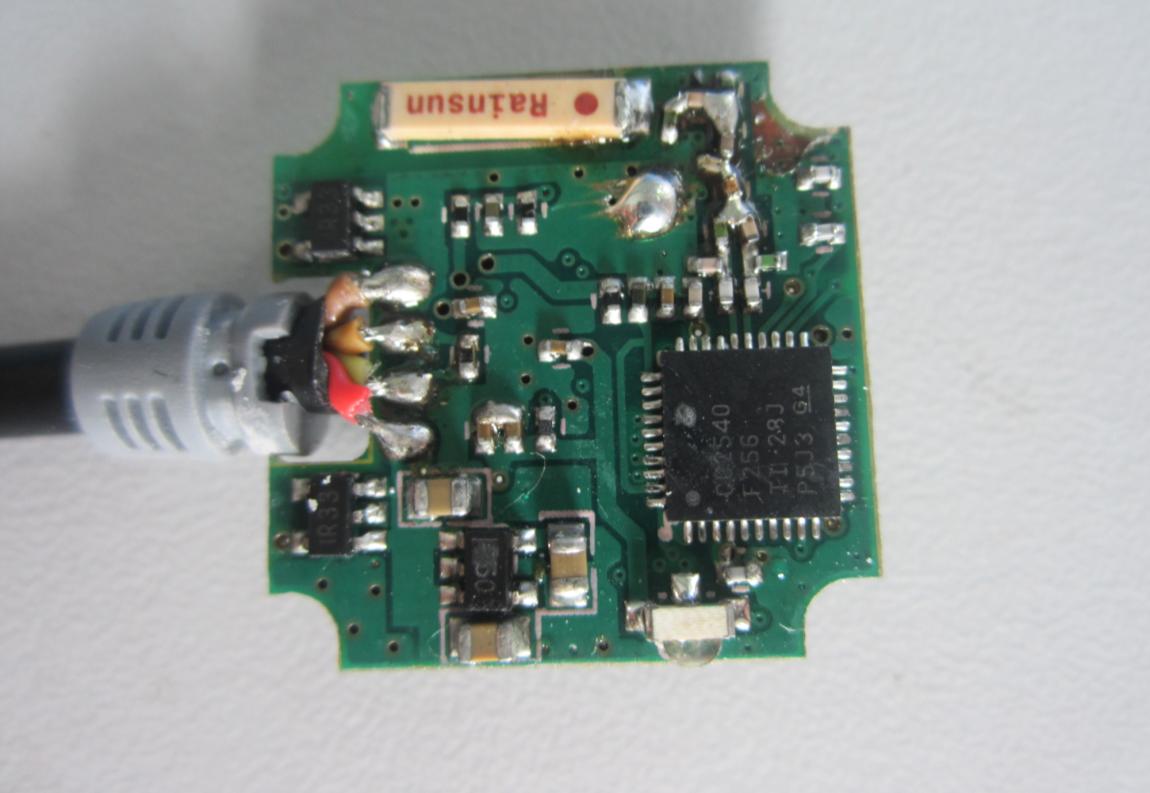
The second image showcases a compact PCB with a prominent QFN540 IC, potentially a microcontroller or specialized IC from a major manufacturer. The board’s layout, although simple, suggests careful design for efficient space utilization. The direct soldering of a cable to the PCB indicates a custom interface, likely for power or data transfer. Despite the absence of visible shielding, the presence of capacitors and a crystal oscillator points to effective power management and stable clock signals for the IC.
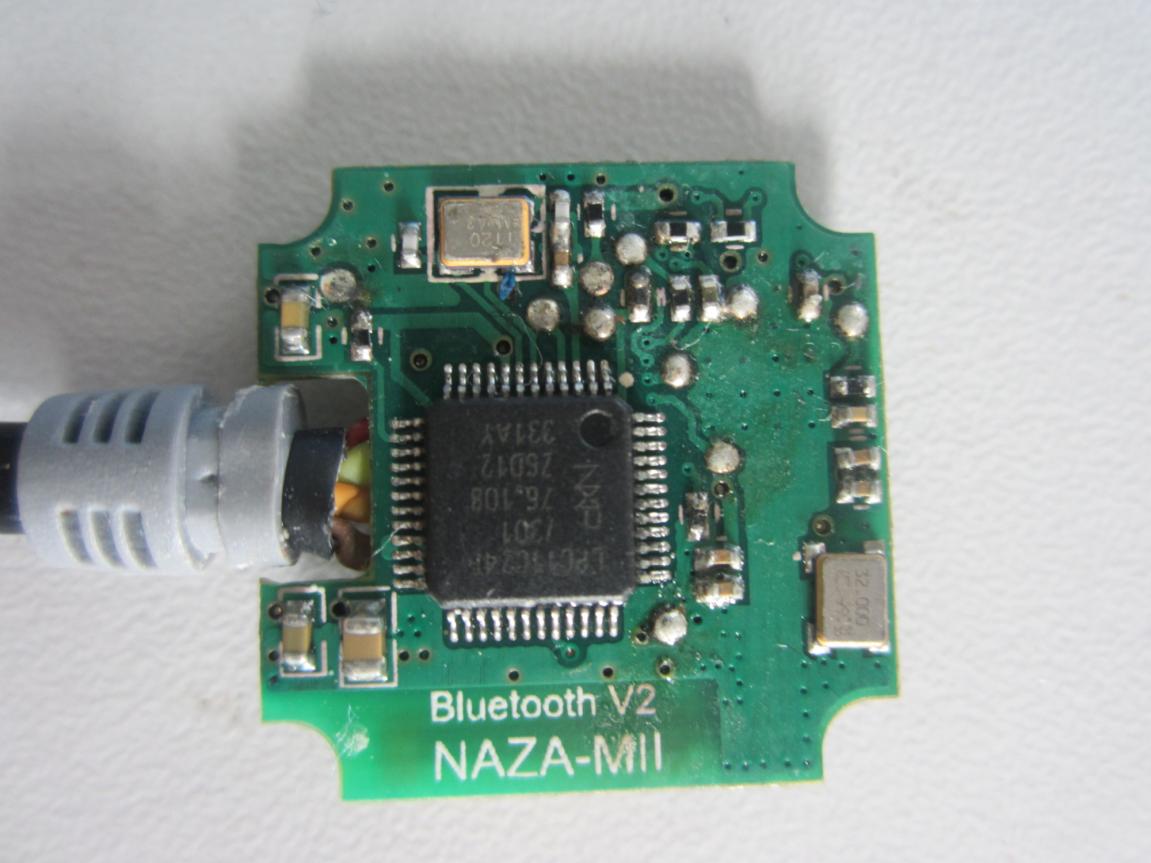
The third image focuses on a CSR Bluetooth chip, a staple in Bluetooth communication devices. The multi-layer PCB design, with integrated components, underscores the unit’s compactness and cost-effectiveness. The use of a trace antenna on the PCB for Bluetooth operations in the 2.4GHz band is typical, ensuring minimal interference and stable connections. The presence of a crystal oscillator and power filtering capacitors further enhance the device’s performance and reliability.
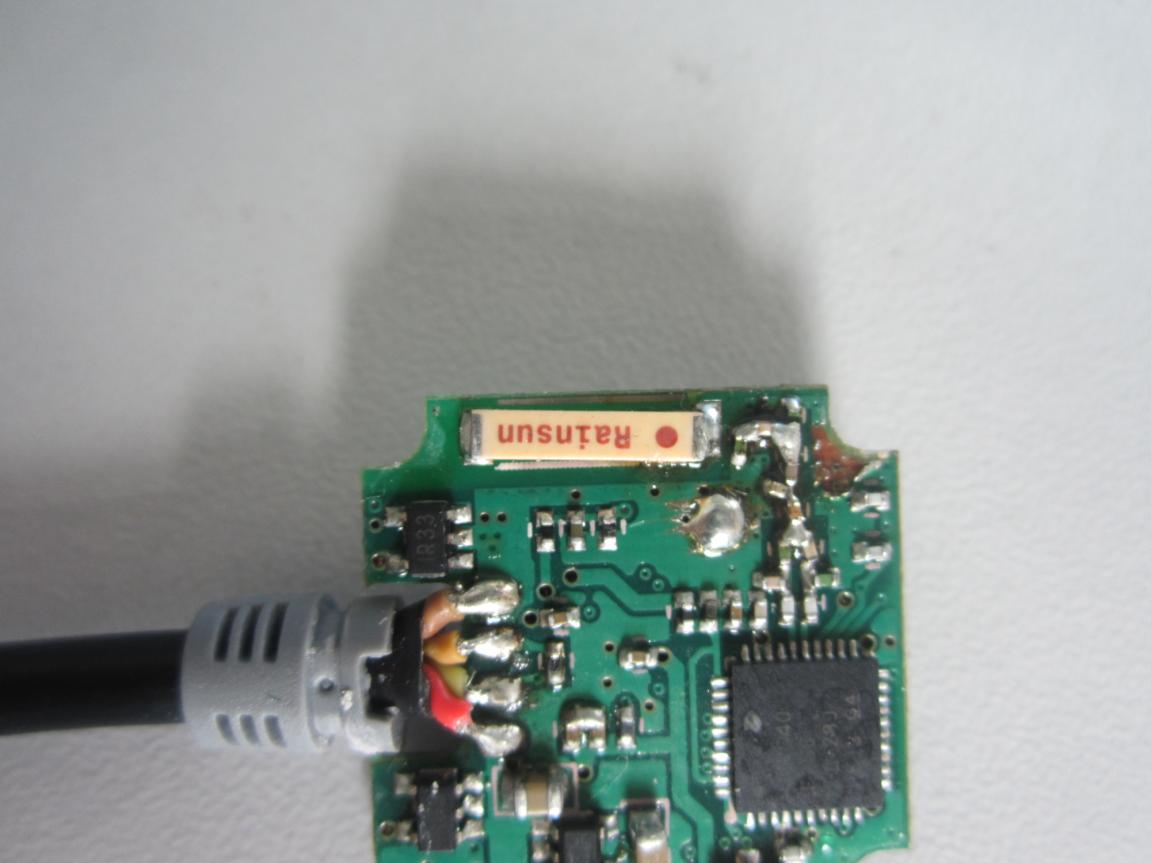
Finally, the last image depicts a microcontroller-based PCB with straightforward design principles. The presence of a component from Rainsun suggests potential RF functionalities, although no antenna is visible. This straightforward design prioritizes basic functionality, making it suitable for integration into larger systems as a control or sensor unit.
Regulatory Insights & FCC Filing
The FCC ID SS3-201306001 signifies that the BTU Bluetooth Unit complies with US electromagnetic interference standards, allowing it to be legally sold and used in the country. Although there is no specific grant date, the registration on FCC.gov ensures transparency and adherence to regulatory requirements. Typically, FCC filings include detailed test reports for RF exposure and electromagnetic compatibility, alongside internal photos, user manuals, schematics, and block diagrams.
From the ‘BTU-Manual-2044518.pdf’, the BTU Bluetooth Unit is described as a key component for wireless communication between the NM Assistant and autopilot systems, particularly for NAZA-M Firmware V3.16 or above. This highlights its role in enhancing connectivity and control in sophisticated drone systems.
Potential Use Cases & Target Audience
With its robust design and Bluetooth 4.0 capabilities, the BTU Bluetooth Unit is ideal for several applications:
- Drone Enthusiasts and Developers: By facilitating wireless communication with autopilot systems, it enhances control and monitoring capabilities for drone operators.
- Embedded Systems Engineers: Its compact size and energy efficiency make it a suitable choice for integration into custom embedded systems where space and power are limited.
- IoT Device Manufacturers: The unit’s reliable Bluetooth connectivity and compliance with regulatory standards make it an excellent component for IoT applications requiring wireless communication.
Conclusion
The BTU Bluetooth Unit by DJI Innovations stands out as a compact, efficient, and regulatory-compliant solution for wireless communication in diverse applications. Its FCC certification underscores its adherence to essential standards, ensuring safety and reliability. Whether for drone systems, embedded applications, or IoT devices, this Bluetooth unit offers a balanced combination of performance, efficiency, and integration capabilities, making it a valuable asset in the ever-evolving landscape of wireless technology.

 Tech ID